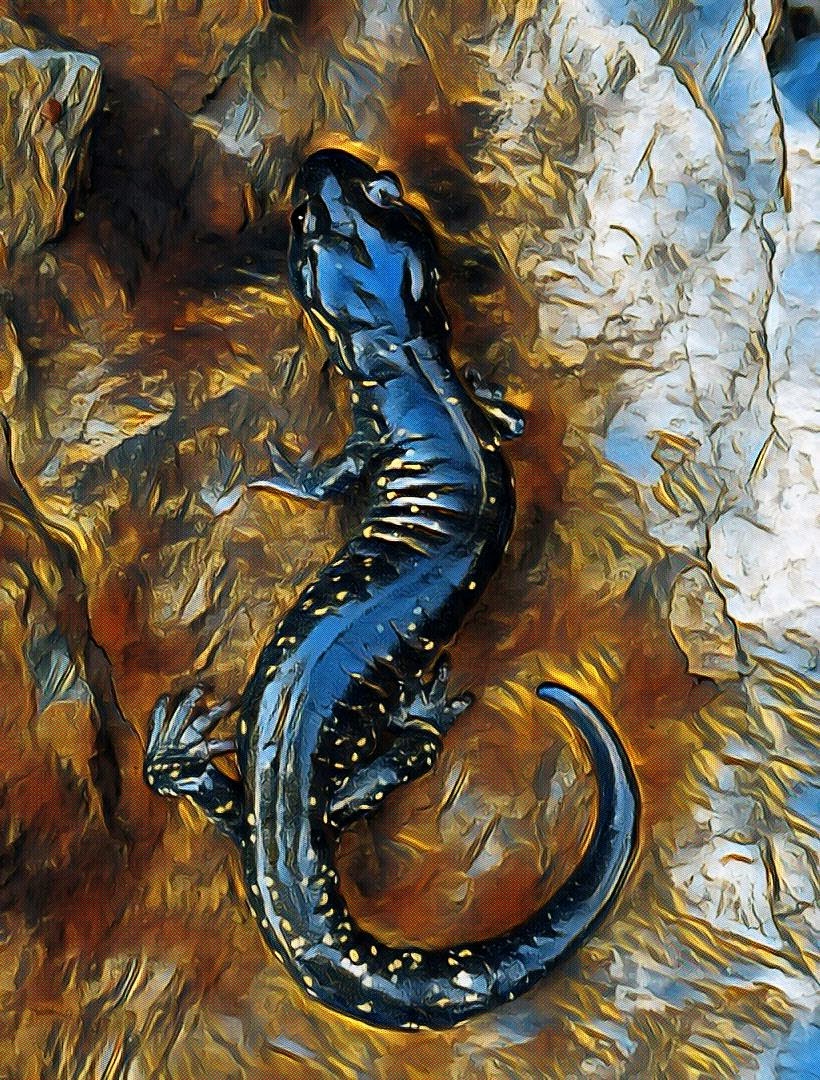
Finding lost meadows
Meadows in the Sierra Nevada tend to occur along low-gradient geologic benches at elevations from 1,500 to 3,000 m where they can be recharged annually by snowmelt. There, water can slow, spread, and infiltrate into spongy, organic soils, and a high groundwater table can persist late into the dry season. These conditions support vegetation that is predominantly herbaceous plants, including sedges, other graminoids, and forbs, but also woody plants such as willows that can tolerate low-oxygen soils. The result is a habitat that is valuable out of proportion to its size. In the absence of degradation, wet meadows improve a catchment’s water quality and predictability by attenuating and dispersing flood flows, filtering water through hyporheic exchange, and retaining sediment. They store carbon, create natural fire breaks, and support a diversity of wildlife; great grey owls, for instance, rely on wet meadows in the Sierra Nevada for vole prey.